
Free guide · no signup
Mogged: what the word means, and where it came from
To be mogged is to be visually outshone by someone standing next to you. It comes from AMOG, alpha male of the group, shortened to mog and then verbed. Most of what people call mogging in photos is lens distance, height difference and lighting rather than a gap between two faces.
CostFree
Read3 min
SignupNone
VerdictOutshone by comparison
Verdict
Outshone by comparisonOutshone by comparison, and in photos the comparison is usually camera distance and lighting, not the faces
Do your facial analysis: Attractiveness test →Where the word came from
The root is AMOG, alpha male of the group, a term from early 2000s pickup forums for the man who dominates a social setting. It was shortened to mog, turned into a verb, and moved into looksmaxxing communities where it stopped being about social dominance and became about appearance alone.
In current use it is almost always comparative and almost always about a photograph. Someone is height-mogged, jaw-mogged or simply mogged, meaning that in a specific image, next to a specific person, they came off worse. The word carries no absolute standard, which is the first thing worth knowing about it.
How the word is actually used
You will see it three ways. As a verb: he mogged everyone in that photo. As a passive state: I got mogged by my own brother at the wedding. And as a compound with the feature involved: height-mogged, jaw-mogged, eye-mogged, canine-mogged. The compound form is the most common in looksmaxxing spaces, because it names what supposedly caused the gap.
The related vocabulary comes from the same place: looksmaxxing for deliberate self-improvement, PSL for the 1 to 8 rating scale, halo for a feature so strong it lifts the whole face, and failo for the reverse. None of it is clinical language, and none of it has research behind it.
Why most mogging is the camera, not the face
In a group photo, the person nearest the lens gets their features enlarged, especially the nose and the middle of the face. Standing thirty centimetres further back is worth more than any grooming change. Height differences compound it, because the taller person is usually also closer to the lens line and gets the flattering downward angle.
Lighting does the rest. A face lit from the front reads smooth and even; the same face lit from above or to one side gains shadows under the eyes and in the nasolabial folds. Two people standing a metre apart at a party are often lit completely differently, and that alone can decide who looks better in a picture.
What to do with the concept
Used casually between friends it is a joke. Used as a way of ranking yourself against strangers on the internet, it is a fast route to feeling worse with no information gained, because the comparison set is selected for being unusually attractive and the photos are selected for being flattering.
If you want something useful instead of a comparison, measure your own face and track what changes. Geometry is fixed, but the things that actually move how a face reads in a photograph are not: skin clarity, body fat, a haircut that suits your proportions, groomed brows, posture, and knowing which side and angle your own face photographs best from.
Start your glow up
SkinPal on iPhone and Android
Next step · SkinPal app
You don't need surgery to look better.
Mewing and bone smashing won't change your bones. Styling, exercise, better habits and skin care will. SkinPal gives you a plan for all of it, reminds you every day, and shows you the change.
What you unlock in the app
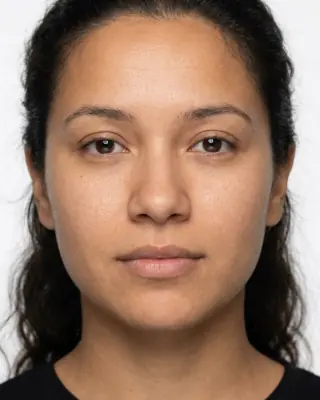
- Full face analysisProportions, symmetry and skin, measured from one selfie
- Full skin report cardSee what's good and what needs work, from acne to skin age
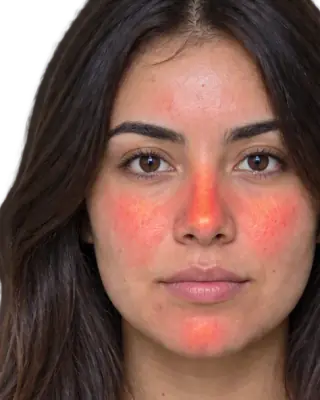
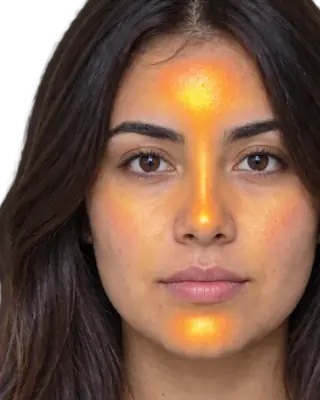
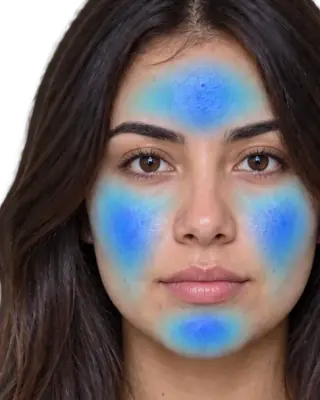
- Heatmaps of your faceSee exactly where redness, oil and breakouts are
- Flare, your AI skin coachAsk anything, get answers based on your own face
- Morning and night routineMade for you, and it changes as you improve
- Ingredient scannerKnow if a product suits you before you buy it
- Progress trackingSee your before and after, week by week
FAQ
Common questions
What does mogged mean?+
Being visually outshone by someone next to you, usually in a photograph. It comes from AMOG, alpha male of the group, shortened to mog and used as a verb.
What does mogging someone mean?+
Being the person who looks better in the comparison. People also use specific versions such as height-mogging or jaw-mogging to name the feature involved.
Is mogging a real thing?+
The effect is real in the sense that people do look different beside different people, but it is mostly created by camera distance, angle and lighting. There is no fixed ranking that a photo reveals.
Where did the term mogged come from?+
From AMOG, alpha male of the group, used on pickup forums in the early 2000s, later shortened and adopted by looksmaxxing communities where it became about appearance rather than social dominance.
What is the opposite of being mogged?+
Mogging, being the one who stands out in the comparison. The looksmaxxing vocabulary also uses halo for a single feature strong enough to lift the whole face.