Free · runs on your device
PSL scale test
Your facial geometry, measured on your device and placed on the 1 to 8 PSL scale, with the full tier chart below. It measures structure and proportion only, and says so in the result.
CostFree
TimeUnder 1 min
SignupNone
DataStays on device
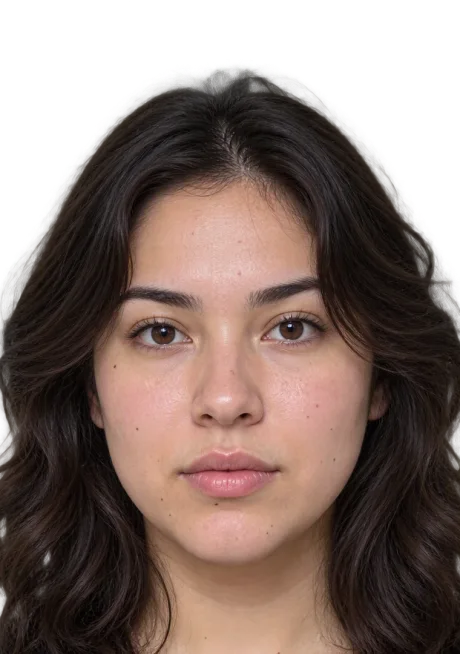
478-point landmark map
Step 1 of 2 · your photo
Add a photo to measure
Face the camera straight on, hair off the face, even light, no tilt.
How it works
Add your photo
Camera or upload, either works.
Mapped in your browser
478 landmarks, entirely on your device.
Your measured result
Numbers and lines drawn on your photo.
On-device · never uploaded
478 landmarks
Free · no signup
The science
What the PSL scale is, and how this estimate is made
01
PSL is a 1 to 8 attractiveness scale that came out of looksmaxxing forums; the name comes from the three forums it was built on. A PSL score and a PSL rating are the same thing, and both describe a position on this scale rather than a measurement of you. It is meant to be normally distributed: 4 is the average person, each whole point is a large step, and the tiers above 6 are rare by definition. It is a community convention, not a scientific instrument, and no two raters apply it identically.
02
This tool does not guess a rating. It measures four parts of your facial geometry from a photo, on your device: symmetry, the balance of your middle and lower thirds, horizontal fifths, and face length to width. Those combine into a harmony score out of 100 with the weights shown in your result, and that score is placed on the PSL scale so that the middle of where most faces land reads as a 4.
03
Geometry is the part of attractiveness a photo can measure reliably, and it is also the part you can change least. Skin clarity, body fat, hair, grooming, posture and expression change how people rate a face by a point or more, and none of them are in this number. Two people with the same PSL estimate here can be rated very differently in person.
The PSL scale, tier by tier
The scale runs 1 to 8 and is meant to be normally distributed, so 4 is the average person and every whole point above it is a large step. The forums that built the scale gave each band a label, and those labels are what most people are searching for when they look up a score: sub-5, LTN, MTN, HTN or Chadlite, and Chad at the top. LTN, MTN and HTN are short for low, mid and high tier normie.
The chart below is the full scale with each label and what the underlying measurements look like in that band. It is a reference for reading a number, not a judgement about a person, and this page will not tell you which label you are. No study validates the tiers; they are a community convention that spread from three forums into short-form video.
Two things are worth knowing before you place yourself anywhere on it. Most readings below 4 come from the photograph rather than the face: a close lens widens the midface, a tilted chin shortens the lower third, and uneven light destroys the symmetry measurement. And the scale covers geometry only, which is the part of appearance you can change least and other people notice least.
Why your score can change between photos
Head tilt, lens distance and expression change the measurements this score is built from. A phone held close widens the middle of the face; tilting your chin up shortens the lower third; a smile moves the mouth corners. Any of those can move the result by half a point or more.
For a reading you can compare, use a front-facing photo at arm length, camera at eye level, head straight, neutral expression and hair off the face. Take two and look at both. If they differ by more than half a point, the photos are the variable, not your face.
FAQ
Common questions
What is a good PSL score?+
A 4 is average. 5 is clearly above average, 6 is well above it, and 7 and up are very rare. Most people who test land between 3 and 5, which is what a normally distributed scale predicts. A score is a position on a curve, not a pass or fail.
What is a PSL rating?+
The same thing as a PSL score: a position on the 1 to 8 scale, where 4 is the average person. Rating and score are used interchangeably in looksmaxxing communities, so a PSL rating of 5 and a PSL score of 5 mean the same.
What does PSL stand for?+
The letters are the initials of the three online forums where the scale developed. It spread from there into looksmaxxing communities and short-form video, which is where most people now encounter it.
Is a PSL score accurate?+
The scale itself is subjective, so no score is accurate in the way a height measurement is. This estimate is repeatable, because it comes from measured geometry, but it covers only bone structure and proportion. It will be most wrong for people whose appeal comes from coloring, skin, hair or expression.
Can you raise your PSL score?+
Not the geometry part without surgery, and not with mewing or bone smashing, which do not change adult bone. What does move how you are rated is everything outside this number: body fat, skin, hair, grooming and posture. Those are also the changes other people notice first.
What do LTN, MTN and HTN mean?+
They are forum shorthand for low, mid and high tier normie, covering roughly 5 to 5.9, 6 to 6.9 and 7 to 7.9 on the scale. Chadlite is used for the same band as HTN, and Chad for 8. The labels describe positions on a convention, not categories anyone has validated.
What does sub-5 mean?+
Anything below 5, which includes the average band of 4 to 4.9, so on a curve built around 4 it covers a large share of ordinary faces. It gets used as an insult online. It is worth knowing that most low readings from any photo tool come from lens distance, head tilt and lighting rather than from the face.
What is the average PSL score?+
Four. The scale is built around 4 as the average person, and most real faces land between 3 and 5.
Is this the same as the attractiveness test?+
It uses the same measured harmony score. The attractiveness test reports it out of 100 with each component; this page places it on the PSL scale and explains the tiers.
Keep going
Attractiveness test →
How attractive am I? A face rating from measured geometry, out of 100 and on the 1 to 10 scale.
Pretty scale test →
Am I pretty? Your face rated 1 to 10 on the pretty scale, from measured symmetry and proportions.
Am I ugly test →
Am I ugly? A straight answer from your measured facial geometry, scored 1 to 10.
Mog battle →
Who mogs who? Your photo and theirs on the same facial harmony score, with a mog called only past the photo noise.