
Free guide · no signup
Can you use salicylic acid (BHA) and benzoyl peroxide together?
Short answer: can be combined, with care. A common acne pairing, but a drying one. Introduce the second one slowly rather than starting both at once.
CostFree
Read3 min
SignupNone
Verdictworkable with care
Verdict
workable with careCan be combined, with care
Check your whole routine: Ingredient conflict checker →What Salicylic acid (BHA) is doing
Salicylic acid (BHA) is oil-soluble, so it can get inside a pore and clear it, the reason it is the standard for blackheads and clogged pores. Works morning or night; most people use it once daily at most.
Leave-on products are usually 0.5%–2%. Cleansers are often 2% but rinse off, so they are much milder in practice. Being oil-soluble is the whole point, it is the one exfoliant that works inside the pore rather than only on the surface.
What Benzoyl Peroxide is doing
Benzoyl Peroxide kills the bacteria involved in inflammatory acne, and unlike antibiotics it does not breed resistance. Morning or night. Many people use it in the morning so it does not collide with a night-time retinoid.
Usually 2.5%–10%. Studies find 2.5% works about as well as 10% with markedly less irritation, so higher is not better. It bleaches fabric. Expect it to ruin pillowcases, towels and colored shirts, white cotton only.
How to fit both into a routine
Put one in your morning routine and the other at night, or alternate days if both suit evenings better.
Both of these are at the irritating end on their own, so the combined load is the highest of any pairing. This is the combination most likely to leave you with a stinging, peeling, compromised barrier.
Signs you have overdone it
Stinging that does not settle within a minute or two, tightness, unexpected flaking, a shiny or waxy look, or new breakouts in places you do not usually get them. Those point to a damaged barrier rather than to either ingredient failing.
If that happens, drop both actives and go back to a plain cleanser and moisturizer until your skin feels normal again, usually one to two weeks. Reintroduce one at a time, not both.
Measure it on your own photo
- Ingredient conflict checkerPick your actives and see which combinations to separate — and which conflicts are myths.
- Analyze a full ingredient listPaste any ingredient list, get a plain-English breakdown.
- Comedogenic ratings for every ingredientPaste a product, or browse the full list with comedogenic ratings.
Start your glow up
SkinPal on iPhone and Android
Next step · SkinPal app
Stop buying products that don't work for you.
Scan any label with your phone. SkinPal tells you if it suits your skin before you pay for it.


What you unlock in the app
- Ingredient scannerKnow if a product suits you before you buy it
- Full face analysisProportions, symmetry and skin, measured from one selfie
- Full skin report cardSee what's good and what needs work, from acne to skin age
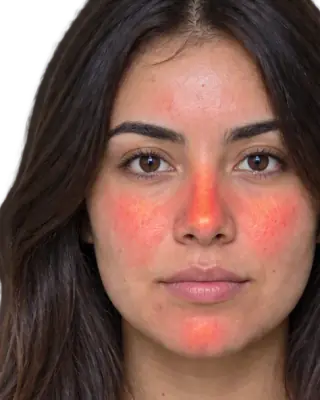
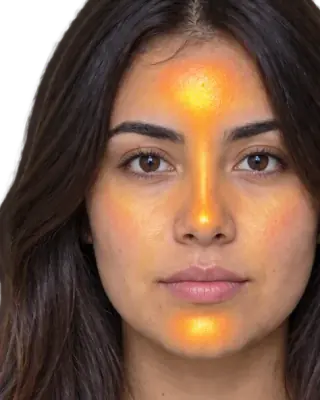
- Heatmaps of your faceSee exactly where redness, oil and breakouts are
- Flare, your AI skin coachAsk anything, get answers based on your own face
- Morning and night routineMade for you, and it changes as you improve
- Progress trackingSee your before and after, week by week
FAQ
Common questions
Can I use salicylic acid (BHA) and benzoyl peroxide in the same routine?+
Can be combined, with care. A common acne pairing, but a drying one. Introduce the second one slowly rather than starting both at once.
Which order should I apply them in?+
When two products go on together, the general rule is thinnest to thickest, letting each absorb first. If you are splitting them across morning and night, order stops mattering.
How long before I know it is working?+
Skin turnover is slow. Give any routine change eight to twelve weeks before you judge it, and change one thing at a time, otherwise you cannot tell which product did what.
Is this medical advice?+
No. This is general formulation and tolerance guidance. Concentration, the rest of the formula and your own skin matter more than any pairing rule, so patch test anything new and speak to a clinician about persistent reactions.